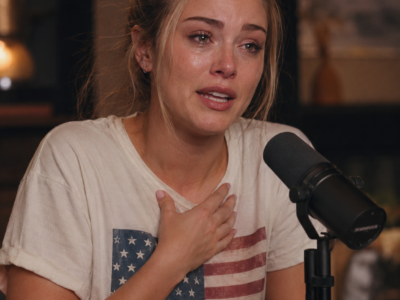
My son stole our family’s entire life savings and disappeared. Three days later, my husband died because his heart could not survive the shock. I lived alone for 25 years, carrying hatred for my own child.
The Key to Room 247
The doorbell rang on a Thursday morning.
I almost ignored it.
At sixty-seven years old, I had learned that unexpected knocks rarely brought anything good. In my small apartment in San Diego, most mornings were quiet. Coffee from the same chipped mug. Local news murmuring from the television. Client invoices spread across the kitchen table while traffic hummed somewhere beyond the blinds.
No one came to see me without calling first.
But the bell rang again.
I wiped my hands on a dish towel and looked through the narrow window beside the door.
A young woman stood outside with a worn backpack over one shoulder. She looked about twenty-two, with dark hair tied back and the exhausted face of someone who had traveled too far on too little sleep. She wasn’t holding a clipboard. She wasn’t selling anything. She wasn’t carrying flowers.
She looked afraid.
I opened the door halfway.
“Can I help you?”
For a few seconds, she only stared at me, as if she had rehearsed her words a hundred times and lost every one of them at the door.
“Are you Rosa Delgado?” she asked.
Something about her face made my fingers tighten around the doorknob.
“Who wants to know?”
She swallowed.
“My name is Sophia,” she said. “Sophia Delgado.”
The hallway seemed to go silent.
Then she said the name I had not allowed inside my home for twenty-five years.
“I’m Daniel’s daughter.”
Daniel.
My son.
The boy who had once stood on a stool in our restaurant kitchen, watching his father roll tortillas. The young man who had kissed my cheek before work, then vanished before sunset with every dollar we had saved for nearly two decades.
I had not heard his name spoken at my doorway since the week my life broke in half.
That morning, twenty-five years earlier, my husband Antonio had gone into the back office of our restaurant on University Avenue to get cash for a supplier delivery.
A minute later, I heard something heavy hit the floor.
When I ran in, he was lying beside the safe.
His face was gray.
One hand clutched his chest.
Behind him, the safe door hung open.
Empty.
Two hundred and fifty thousand dollars gone.
Every envelope Antonio had labeled by hand — payroll, emergency fund, building fund — gone.
Eighteen years of twelve-hour days, burned hands, late-night bookkeeping, and weekend crowds at La Cocina de Antonio… gone.
Only three people knew the combination.
Antonio.
Me.
Daniel.
By the time I reached Daniel’s apartment, his car was missing. His clothes were still in the closet. Dishes sat in the sink. His bed was unmade, like he had simply stepped out and would return before dinner.
He never came back.
Antonio stayed on machines for three days at the hospital. Doctors used soft voices and terrible words.
Catastrophic.
Irreversible.
Severe cardiac damage.
His heart had taken the shock before his body could.
He died without waking up.
After the funeral, the gossip spread quickly through the small business owners, restaurant regulars, and neighbors who used to smile at us in the grocery store. People knew about the empty safe. They knew Daniel was gone.
Some pitied me.
Some avoided my eyes.
I sold the restaurant for less than it was worth just to cover medical bills and funeral costs.
Then I disappeared into survival.
Hotel housekeeping in the mornings.
Retail in the afternoons.
Bookkeeping at night.
Cheap coffee.
Discount groceries.
Laundry washed in the bathtub when even the laundromat felt too expensive.
For twenty-five years, I carried one truth like a stone in my chest.
My son stole our life and ran.
Now his daughter was standing in front of me.
And she had Antonio’s eyes.
That was what made me step back.
“Come inside,” I heard myself say.
Sophia followed me into the apartment. We sat at the kitchen table, across from my invoices and red pen. I poured two cups of coffee because my hands needed something to do.
She held the mug but did not drink.
“He died last month,” she said.
I stared at her.
“Cancer. Pancreatic. He was sick for almost a year.”
The words landed strangely.
I had already mourned Daniel once.
Not the way a mother should mourn a child, but the way a person mourns someone who chose to become a ghost.
“Before he died,” Sophia continued, “he told me things.”
My voice came out colder than I meant it to.
“What kind of things?”
“About you. About San Diego. About what happened.”
“What happened,” I said, “is that he emptied our safe and disappeared.”
Sophia flinched.
But she did not look away.
Then she reached into her backpack and took out a small silver key.
She placed it on my kitchen table between the calculator and the red pen.
A storage-unit key.
The number 247 was stamped into the metal.
“He made me promise to give this to you,” she said quietly. “He said the truth is inside. He said he was too ashamed to face you, but he couldn’t die without trying to make it right.”
I stared at the key.
My hands began to tremble.
Twenty-five years of rage, grief, and silence suddenly felt too heavy to carry alone.
That afternoon, Sophia drove me to the storage facility on the edge of the city. Unit 247 was at the end of a long, dimly lit corridor. The lock was old and stubborn, but it finally clicked open.
The smell of dust and forgotten things rushed out.
Inside were boxes. Dozens of them.
On top of the nearest box was an envelope with my name written in Daniel’s handwriting — the same handwriting I used to see on birthday cards and Mother’s Day notes.
I opened it with shaking fingers.
Mom,
If you’re reading this, I’m already gone. I don’t expect you to forgive me. I don’t deserve it. But I need you to know the truth before I leave this world.
I was weak. I was stupid. I was angry at the world and took it out on the two people who loved me most. I stole the money because I thought I could “fix” everything with one big gamble. I lost it all in Las Vegas within three weeks. Every cent.
I’ve spent the last twenty-five years living with that shame. I changed my name. I stayed away because I couldn’t face what I did to Dad. To you.
Everything in this unit belongs to you. The money I managed to save over the years. The letters I wrote but never sent. The photos I kept. I was too much of a coward to come back, but I never stopped being your son.
I love you, Mom. I always have.
Daniel
Tears blurred my vision.
Sophia stood quietly behind me, giving me space.
I opened the first box.
Inside were stacks of cash — not the full $250,000, but a significant amount. There were also old letters, yellowed with time, each one addressed to me and Antonio. Some were apologies. Some were updates about his life. Some were simply “I miss you.”
In the corner of the unit was a smaller box labeled For Mom.
Inside was Antonio’s old wedding ring — the one Daniel had taken from the safe that terrible morning — and a single photograph of the three of us standing in front of La Cocina de Antonio on opening day. We were smiling like the future was guaranteed.
I sank to the floor and cried for the son I had lost, for the husband I had buried, and for the woman I had become in the silence that followed.
Sophia stayed with me for two weeks.
We talked every night. She told me about her father — how he lived quietly in Arizona, never remarried, worked construction, and spoke of me only when the pain medication loosened his tongue. She showed me pictures of him in his final months — thin, frail, but with the same eyes I remembered from when he was a little boy helping in the restaurant.
Before she left to go back home, she hugged me tightly.
“He was sorry,” she whispered. “He really was.”
I nodded.
“I know.”
A month later, I used part of the money to buy back a small share in what used to be La Cocina de Antonio. The new owners were kind. They let me sit in the kitchen sometimes and watch the cooks work.
I planted flowers in front of the restaurant — the kind Antonio loved.
Every Sunday, I visit his grave and tell him the truth.
Our son came home after all.
Not in the way we wanted.
But he came home.
And for the first time in twenty-five years, the stone in my chest feels a little lighter.
The doorbell rang on a Thursday morning.
I almost ignored it.
At sixty-seven years old, I had learned that unexpected knocks rarely brought anything good. In my small apartment in San Diego, most mornings were quiet. Coffee from the same chipped mug. Local news murmuring from the television. Client invoices spread across the kitchen table while traffic hummed somewhere beyond the blinds.
No one came to see me without calling first.
But the bell rang again.
I wiped my hands on a dish towel and looked through the narrow window beside the door.
A young woman stood outside with a worn backpack over one shoulder. She looked about twenty-two, with dark hair tied back and the exhausted face of someone who had traveled too far on too little sleep. She wasn’t holding a clipboard. She wasn’t selling anything. She wasn’t carrying flowers.
She looked afraid.
I opened the door halfway.
“Can I help you?”
For a few seconds, she only stared at me, as if she had rehearsed her words a hundred times and lost every one of them at the door.
“Are you Rosa Delgado?” she asked.
Something about her face made my fingers tighten around the doorknob.
“Who wants to know?”
She swallowed.
“My name is Sophia,” she said. “Sophia Delgado.”
The hallway seemed to go silent.
Then she said the name I had not allowed inside my home for twenty-five years.
“I’m Daniel’s daughter.”
Daniel.
My son.
The boy who had once stood on a stool in our restaurant kitchen, watching his father roll tortillas. The young man who had kissed my cheek before work, then vanished before sunset with every dollar we had saved for nearly two decades.
I had not heard his name spoken at my doorway since the week my life broke in half.
That morning, twenty-five years earlier, my husband Antonio had gone into the back office of our restaurant on University Avenue to get cash for a supplier delivery.
A minute later, I heard something heavy hit the floor.
When I ran in, he was lying beside the safe.
His face was gray.
One hand clutched his chest.
Behind him, the safe door hung open.
Empty.
Two hundred and fifty thousand dollars gone.
Every envelope Antonio had labeled by hand — payroll, emergency fund, building fund — gone.
Eighteen years of twelve-hour days, burned hands, late-night bookkeeping, and weekend crowds at La Cocina de Antonio… gone.
Only three people knew the combination.
Antonio.
Me.
Daniel.
By the time I reached Daniel’s apartment, his car was missing. His clothes were still in the closet. Dishes sat in the sink. His bed was unmade, like he had simply stepped out and would return before dinner.
He never came back.
Antonio stayed on machines for three days at the hospital. Doctors used soft voices and terrible words.
Catastrophic.
Irreversible.
Severe cardiac damage.
His heart had taken the shock before his body could.
He died without waking up.
After the funeral, the gossip spread quickly through the small business owners, restaurant regulars, and neighbors who used to smile at us in the grocery store. People knew about the empty safe. They knew Daniel was gone.
Some pitied me.
Some avoided my eyes.
I sold the restaurant for less than it was worth just to cover medical bills and funeral costs.
Then I disappeared into survival.
Hotel housekeeping in the mornings.
Retail in the afternoons.
Bookkeeping at night.
Cheap coffee.
Discount groceries.
Laundry washed in the bathtub when even the laundromat felt too expensive.
For twenty-five years, I carried one truth like a stone in my chest.
My son stole our life and ran.
Now his daughter was standing in front of me.
And she had Antonio’s eyes.
That was what made me step back.
“Come inside,” I heard myself say.
Sophia followed me into the apartment. We sat at the kitchen table, across from my invoices and red pen. I poured two cups of coffee because my hands needed something to do.
She held the mug but did not drink.
“He died last month,” she said.
I stared at her.
“Cancer. Pancreatic. He was sick for almost a year.”
The words landed strangely.
I had already mourned Daniel once.
Not the way a mother should mourn a child, but the way a person mourns someone who chose to become a ghost.
“Before he died,” Sophia continued, “he told me things.”
My voice came out colder than I meant it to.
“What kind of things?”
“About you. About San Diego. About what happened.”
“What happened,” I said, “is that he emptied our safe and disappeared.”
Sophia flinched.
But she did not look away.
Then she reached into her backpack and took out a small silver key.
She placed it on my kitchen table between the calculator and the red pen.
A storage-unit key.
The number 247 was stamped into the metal.
“He made me promise to give this to you,” she said quietly. “He said the truth is inside. He said he was too ashamed to face you, but he couldn’t die without trying to make it right.”
I stared at the key.
My hands began to tremble.
Twenty-five years of rage, grief, and silence suddenly felt too heavy to carry alone.
That afternoon, Sophia drove me to the storage facility on the edge of the city. Unit 247 was at the end of a long, dimly lit corridor. The lock was old and stubborn, but it finally clicked open.
The smell of dust and forgotten things rushed out.
Inside were boxes. Dozens of them.
On top of the nearest box was an envelope with my name written in Daniel’s handwriting — the same handwriting I used to see on birthday cards and Mother’s Day notes.
I opened it with shaking fingers.
Mom,
If you’re reading this, I’m already gone. I don’t expect you to forgive me. I don’t deserve it. But I need you to know the truth before I leave this world.
I was weak. I was stupid. I was angry at the world and took it out on the two people who loved me most. I stole the money because I thought I could “fix” everything with one big gamble. I lost it all in Las Vegas within three weeks. Every cent.
I’ve spent the last twenty-five years living with that shame. I changed my name. I stayed away because I couldn’t face what I did to Dad. To you.
Everything in this unit belongs to you. The money I managed to save over the years. The letters I wrote but never sent. The photos I kept. I was too much of a coward to come back, but I never stopped being your son.
I love you, Mom. I always have.
Daniel
Tears blurred my vision.
Sophia stood quietly behind me, giving me space.
I opened the first box.
Inside were stacks of cash — not the full $250,000, but a significant amount. There were also old letters, yellowed with time, each one addressed to me and Antonio. Some were apologies. Some were updates about his life. Some were simply “I miss you.”
In the corner of the unit was a smaller box labeled For Mom.
Inside was Antonio’s old wedding ring — the one Daniel had taken from the safe that terrible morning — and a single photograph of the three of us standing in front of La Cocina de Antonio on opening day. We were smiling like the future was guaranteed.
I sank to the floor and cried for the son I had lost, for the husband I had buried, and for the woman I had become in the silence that followed.
Sophia stayed with me for two weeks.
We talked every night. She told me about her father — how he lived quietly in Arizona, never remarried, worked construction, and spoke of me only when the pain medication loosened his tongue. She showed me pictures of him in his final months — thin, frail, but with the same eyes I remembered from when he was a little boy helping in the restaurant.
Before she left to go back home, she hugged me tightly.
“He was sorry,” she whispered. “He really was.”
I nodded.
“I know.”
A month later, I used part of the money to buy back a small share in what used to be La Cocina de Antonio. The new owners were kind. They let me sit in the kitchen sometimes and watch the cooks work.
I planted flowers in front of the restaurant — the kind Antonio loved.
Every Sunday, I visit his grave and tell him the truth.
Our son came home after all.
Not in the way we wanted.
But he came home.
And for the first time in twenty-five years, the stone in my chest feels a little lighter.
The End