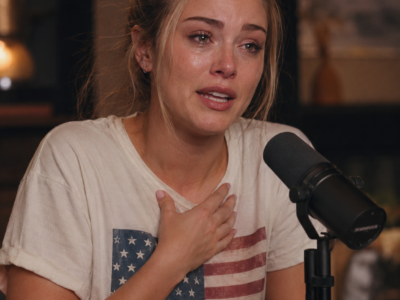
At my sister’s wedding, I found my seat outside the ballroom beside the trash cans.
The Seat by the Trash Cans
The Seat by the Trash Cans
The Seat by the Trash Cans
Part 1
At my sister’s wedding, I found my seat outside next to the trash cans.
Not near the garden. Not at a charming little overflow table under string lights. Not beside the patio where people could laugh and pretend it was all part of the rustic Vermont experience.
Outside.
Beside the service door.
Three feet from two black trash bins with silver lids that clanged every time a waiter pushed through carrying empty bottles.
My name card sat on a small round table covered in white linen, the kind hotels use when they want disrespect to look intentional. Mary Evans, Table H, Outdoor Service Area. The letters were printed in gold cursive, delicate and pretty, like humiliation had been sent to calligraphy school.
I stood there holding my clutch, the lake wind slipping under my wine-colored dress, and tried to breathe through the smell of wilted roses, wet pavement, and garbage.
Inside the ballroom, chandeliers glowed through tall glass windows. Guests laughed under arches of white flowers. Violins played something soft and expensive. My parents sat at the head table, close enough to the bride to be included in every photo.
Ellie looked like a magazine cover in her lace gown, blond hair pinned under a veil that floated around her like mist. My mother, Caroline, kept touching Ellie’s arm, smoothing invisible wrinkles, laughing too loudly at things that probably weren’t funny.
I looked at the seat beside the trash cans again.
Maybe it was a mistake.
That was always the first lie I told myself when my family hurt me.
I walked back inside, heels clicking against marble polished so perfectly it reflected the chandelier light in broken gold pieces. The receptionist at the front desk saw me coming and immediately looked down at her clipboard.
“Excuse me,” I said. “I think there’s been a seating error.”
Her smile arrived half a second late. “Name?”
“Mary Evans.”
She flipped one page, then another. Her fingers slowed before her eyes did.
“No error,” she said carefully. “You’re assigned to Table H.”
“Table H is outside by the trash cans.”
She swallowed. “The service area is being used for overflow seating.”
“There’s one chair.”
Her smile thinned.
“And one table,” I added. “For me.”
She lowered her voice. “I’m sorry. I only have the final chart.”
Final chart.
The words did not mean much yet, but they slid under my skin anyway.
I found my mother near the entrance to the ballroom, fixing Ellie’s veil while two bridesmaids hovered with champagne. I waited until she turned, hoping for surprise. Embarrassment. Anything.
She gave me annoyance.
“Mary, not now.”
“I’ve been seated outside.”
Mom sighed like I had told her the napkins were folded wrong. “There were limited seats.”
“I’m your daughter.”
Ellie turned then. Her smile was bright enough for the room, but her eyes were flat.
“Mary,” she said softly, “please don’t make this about you.”
The bridesmaids looked away.
My face warmed.
“I’m seated by garbage cans.”
Ellie tilted her head. “It’s a beautiful resort. I’m sure even the garbage cans are upscale.”
One bridesmaid coughed into her glass.
Mom’s mouth tightened. “Enough. Ellie has been stressed for months. Don’t ruin her day.”
Dad appeared behind them with a drink in his hand and that tired, avoidant look he wore whenever something required courage.
“What’s going on?” he asked.
“Mary doesn’t like her seat,” Ellie said.
Dad looked at me. “It’s just a seat, sweetheart.”
The word sweetheart hurt more than the sentence.
I waited for him to look ashamed.
He didn’t.
Ellie stepped closer, lowering her voice so only I could hear.
“You should be grateful you were invited.”
The room went strangely quiet around me, though the music still played and guests still laughed. My fingers tightened around the place card until it bent.
They thought I would swallow it like always.
Smile. Sit down. Make everyone comfortable.
Then I noticed something on the seating chart beside the ballroom doors.
My name had not been printed with the others.
It had been added on a narrow white sticker.
And underneath that sticker, faint but visible through the thin paper, was another name.
Mrs. Celeste Bennett.
The groom’s mother.
My seat had not been forgotten.
It had been switched.
Part 2
I stood in front of the seating chart longer than I should have.
People moved around me in silk dresses and dark suits, smelling of cologne, hairspray, and champagne. A cousin I barely recognized squeezed past, laughing into her phone. Somewhere inside the ballroom, someone tested a microphone and the speakers popped.
But I couldn’t stop staring at the sticker.
My name had been placed over Celeste Bennett’s.
That made no sense.
Celeste was Ethan’s mother. She was not the kind of woman anyone seated near a service door. Even from a distance, she carried herself like someone accustomed to people standing when she entered a room. Platinum hair. Navy gown. Diamond earrings that probably cost more than my car.
Why would my name be covering hers?
Before I could peel the edge of the sticker, a hand closed lightly over mine.
“Please don’t,” the receptionist whispered.
Her name tag read Nina.
I looked at her.
She was young, maybe twenty-four, with perfect makeup and fear under it.
“Who changed it?” I asked.
“I can’t discuss client instructions.”
“Client instructions,” I repeated.
Her eyes flicked toward the ballroom, then back to me. “I’m sorry.”
She meant it.
That made the whole thing worse.
I walked back outside, because if I stayed near my family one more second, I was either going to scream or beg, and I refused to do either in front of Ellie.
My table waited beside the trash cans.
A cold breeze rolled off the lake and carried the smell of damp leaves. The white linen lifted at the corners. Someone had placed a small floral arrangement in the center, but the roses were bruised, the petals browned at the edges like they had been rejected from better tables.
I sat.
The chair was metal and cold through my dress.
Inside, through the windows, Ellie moved from guest to guest with that floating bridal grace people reward even when it hides sharp edges. Mom stayed close, touching Ellie’s shoulder, whispering in her ear, beaming like the sun had chosen her favorite child and she had simply agreed.
My father sat at the head table, staring into his glass.
That was Dad’s talent: seeing enough to be guilty, not enough to act.
A trash lid clanged behind me.
“Sorry, ma’am,” a waiter said, freezing when he saw me. He looked mortified.
“It’s fine,” I said automatically.
It wasn’t.
I had said it’s fine so many times in my life that the words no longer needed permission.
When I was seven, Ellie blew out my birthday candles because she cried that she wanted to help.
It’s fine.
When I was twelve, Mom skipped my school concert because Ellie had a stomachache that disappeared the second they got ice cream.
It’s fine.
When I was seventeen, Dad gave Ellie the used car he had promised me because she “needed encouragement.”
It’s fine.
When I was twenty-six, I came home for Thanksgiving and found my mother’s memory notebook.
That was the first time fine failed.
I had been looking for family photos in Mom’s vanity drawer. Instead, I found a brown leather notebook filled with her careful handwriting.
Ellie’s first day of kindergarten. Ellie’s favorite pasta. Ellie scared of thunder. Ellie’s smile after a fever broke. Ellie at eight wearing a nurse costume. Ellie at twelve crying because girls at school were mean. Ellie, Ellie, Ellie.
Page after page.
Year after year.
I searched for my name like a hungry thing.
Mary.
Nothing.
When Mom found me sitting on the floor with the notebook open in my lap, she smiled like I had discovered a grocery list.
“I had to write things down so Ellie wouldn’t feel forgotten,” she said. “She’s sensitive.”
“What about me?”
Mom looked genuinely puzzled.
“You’ve always been independent. You didn’t need that.”
I nodded back then because I did not know how to say, You don’t get to starve someone and then praise them for not begging.
Now, three years later, I sat outside my sister’s wedding beside trash cans, still being punished for having learned to survive without making noise.
The service door opened again.
This time, no waiter came out.
Ellie did.
She stood in the doorway with her veil fluttering behind her and a smile that made my stomach harden.
“There you are,” she said. “I was wondering if you’d actually sit.”
I looked at the trash cans, then at her.
“You wanted to know?”
Her smile widened.
“I won a bet with myself.”
The wind lifted the edge of my place card.
Ellie stepped closer and whispered, “You always come back, Mary. That’s the saddest thing about you.”
Then she turned toward the ballroom before I could answer.
But as she opened the door, I heard a man’s voice from inside.
Low. Angry.
“Why is my mother’s name under Mary’s seat?”
Ellie went completely still.
Part 3
Ellie recovered quickly.
She always did.
Her shoulders softened, her chin dipped, and when she turned back toward the ballroom, her voice changed into the sweet, wounded tone that had gotten her out of trouble since preschool.
“Ethan, what are you talking about?”
I couldn’t see him from where I sat, but I recognized the groom’s voice from the ceremony earlier. Calm, polished, a little too careful. Ethan Bennett was the kind of man who looked expensive even when he smiled. I had only met him twice before the wedding, both times at family dinners where Ellie did most of the talking and he watched more than he spoke.
The service door remained cracked open.
I should have walked away.
Instead, I stayed very still.
Ethan said, “The chart. My mother was supposed to be at the family table.”
“She is,” Ellie said quickly.
“No. Her name was replaced.”
A pause.
Then Ellie laughed. Light. Breathless. Fake.
“Baby, it’s a seating chart. The planner handled it.”
“You told me Celeste wanted privacy because she wasn’t feeling well.”
“She does.”
“Then why did she just ask me why she was moved?”
My pulse quickened.
Ellie stepped inside, but the door didn’t fully close. Through the narrow gap, I saw Ethan’s profile. Dark hair. White shirt collar. One hand gripping a folded card.
His eyes moved past Ellie and found me outside.
For one second, neither of us looked away.
Then Ellie pushed the door shut.
The click sounded final.
I sat there with my hands in my lap, my body cold despite the warm lights pouring through the glass. Something was wrong beyond my seat. I could feel it now, the way you feel weather before rain touches your skin.
A waiter came out carrying a crate of empty champagne bottles. He stopped when he saw me again.
“You shouldn’t have to sit here,” he muttered.
I looked up. “Who told you that?”
His face tightened. “No one.”
“What’s your name?”
“Luis.”
“Luis, did the bride change the seating?”
He glanced toward the door.
“I’m not supposed to know anything.”
“That sounds like yes.”
He shifted the crate against his hip. The bottles clinked softly.
“All I know is the planner was upset. Bride insisted. Said you requested fresh air because crowds made you anxious.”
I laughed once.
Ellie had made my humiliation sound like accommodation.
Of course she had.
Before I could ask more, the service door opened again. This time Ethan came out alone.
He looked different without Ellie beside him. Less polished. His bow tie was loosened, and there was a crease between his eyebrows that did not belong in wedding photos.
“Mary,” he said.
I stood automatically. “Ethan.”
His gaze moved to the trash cans. Then my table. Then my place card.
Anger passed across his face, sharp and real.
“I’m sorry.”
Two words.
Simple.
Apparently impossible for my own family.
I didn’t know what to do with them.
“It’s your wedding,” I said. “You have bigger problems.”
He studied me. “That’s what I’m trying to figure out.”
The wind came off the lake again, lifting the edge of my dress. Inside, the reception music swelled, bright and cheerful.
Ethan lowered his voice.
“Has Ellie ever said anything to you about my mother?”
I hesitated. “I don’t know your mother.”
“That’s not what I asked.”
There was no cruelty in it. Just urgency.
I thought about Ellie at Christmas dinner, rolling her eyes after Ethan left the room. Rich people act like generosity is a personality. I thought about Mom shushing me when I said that sounded harsh. I thought about Ellie smiling at Ethan five minutes later like he had hung the moon.
“She said your mother was controlling,” I said carefully. “And old money women hate being replaced.”
His face tightened.
“Anything about me?”
I looked away.
Ethan gave a bitter little nod. “That bad?”
Before I could answer, a woman’s voice came from behind him.
“Worse.”
Celeste Bennett stood near the service doorway, phone in hand, her navy gown untouched by the chaos around her. Her expression was calm, but her eyes were burning.
She looked at me first.
“Mary, I owe you an apology as well.”
“For what?”
“For not realizing sooner that you were being used.”
I stared at her.
Ethan turned. “Mom.”
Celeste handed him the phone.
“Read the messages from the stylist file,” she said. “Start with the one about the seating plan.”
Ethan looked down.
I watched his face change.
Confusion first.
Then disbelief.
Then something that looked like grief.
He scrolled once, twice, and whispered, “Ellie wrote, ‘Put Mary somewhere ugly. If she complains, she proves she’s jealous. If she stays quiet, she proves she knows her place.’”
My mouth went dry.
Celeste’s voice stayed even.
“That is not the worst one.”
Ethan looked up at me, pale now.
And I knew, before he said another word, that my sister had not just planned a wedding.
She had planned a trap.
Part 4
Celeste led us to a private conference room on the second floor.
The resort upstairs was quieter, softer, almost indecently calm compared with the reception below. Thick carpet swallowed our footsteps. The hallway smelled of lemon polish and lilies. Somewhere behind closed doors, ice clattered into buckets and staff spoke in low, efficient voices.
I followed because I no longer trusted myself alone near Ellie.
Ethan walked ahead with his mother’s phone in one hand and his own in the other, like a man carrying two live wires.
The conference room had a long mahogany table, cream walls, and a view of the dark lake beyond the windows. The surface of the water reflected the resort lights in trembling lines.
Celeste closed the door.
No one sat at first.
Finally, Ethan placed the phone on the table. “How did you get these?”
Celeste folded her hands. “The stylist’s studio accidentally copied me on a backup folder after I rescheduled my fitting. It included message threads Ellie had sent while discussing hair, makeup, and day-of instructions.”
“That’s illegal,” he said weakly.
“Perhaps.” Celeste’s mouth tightened. “So is marrying someone under false pretenses.”
He flinched.
I looked at the phone. “Why am I in those messages?”
Celeste turned to me with something like regret.
“Because Ellie built part of her story around you.”
“My story?”
“She told Ethan you were unstable,” Celeste said. “Jealous. Attention-seeking. She said you had spent years trying to sabotage her relationships because you couldn’t stand being second.”
The room tilted.
Ethan looked at me. “I didn’t believe all of it.”
“All of it?” I asked.
Shame crossed his face.
“That sounded worse than I meant.”
“No,” I said. “It sounded honest.”
He looked away.
I should have been angry at him. Part of me was. But the larger anger belonged to the woman downstairs in white lace who had seated me by trash cans and called it proof.
Celeste swiped through the messages, then stopped.
“Here,” she said.
Ethan read silently.
His jaw tightened.
I did not ask.
He handed me the phone.
Ellie’s words glowed on the screen.
Mary is useful because she reacts quietly. Mom always thinks she’s dramatic if she pushes back. If I need sympathy, I just say Mary made me feel unsafe. Works every time.
I stared until the letters blurred.
Unsafe.
I thought of all the times Mom had told me not to upset Ellie. Ellie is sensitive. Ellie is fragile. Ellie doesn’t handle conflict like you do.
All those years, I thought I had been abandoned by accident.
Now I wondered how often I had been pushed out on purpose.
Ethan sank into a chair.
“She told me she wanted a simple life,” he said. “No games. No money drama. No performance.”
Celeste laughed once, dry and humorless.
“There’s more.”
“Mom.”
“You need to know.”
He shook his head like a child refusing medicine.
Celeste softened only slightly. “Ethan, she spoke with a divorce attorney last month.”
The room went silent.
My heartbeat thudded in my ears.
Ethan’s voice dropped. “Before the wedding?”
“Yes.”
“For what?”
Celeste looked at me, then back at him. “Asset positioning. Postnuptial leverage. She asked what could be claimed if emotional distress developed shortly after marriage.”
Ethan stood so fast the chair scraped the floor.
“No.”
Celeste tapped the phone again.
“She also wrote to her friend Brianna that you were, and I quote, ‘predictable enough to train.’”
Ethan’s face lost color.
I felt suddenly like an intruder.
“I should go,” I said.
“No,” Ethan said, too quickly. “Please don’t.”
I looked at him.
He swallowed. “If I only hear it from my mother, I’ll wonder if grief is making it worse. If I hear it from you too…”
“You want me to confirm my sister is cruel so you can believe she is cruel to you?”
He closed his eyes.
“I’m sorry.”
There it was again.
Sorry.
The word still startled me when used correctly.
I sat down.
“My sister knows how to become whatever the room rewards,” I said. “Around Mom, she is fragile. Around men, she is magical. Around me, she is honest by accident.”
Ethan opened his eyes.
“And what is she when no one is rewarding her?”
I thought of Ellie smiling at me beside the trash cans.
“Hungry,” I said.
Before anyone could answer, a knock hit the door.
Not polite.
Fast.
The wedding planner stepped in, pale and sweating.
“Mr. Bennett,” she said, “the bride is asking security to remove Mary from the property.”
Ethan went very still.
Celeste smiled without warmth.
“Then I think it’s time we invite the bride upstairs.”
Part 5
The wedding planner looked like she wanted to vanish into the wallpaper.
Her name was Daphne, I remembered suddenly. Ellie had complained about her at Thanksgiving, saying she was “competent but emotionally beige,” which coming from Ellie meant Daphne did not worship her enough.
Now Daphne stood in the doorway clutching a headset, eyes darting between Ethan and Celeste.
“She says Mary is causing distress,” Daphne said.
Ethan’s voice was quiet. “Mary was seated outside by the trash cans.”
Daphne swallowed.
“And?”
“And I want to know who approved that.”
Daphne looked at Celeste, then at me.
“The bride requested all final family seating adjustments.”
“Did you question it?” Celeste asked.
“I did,” Daphne said, surprising me. “Mrs. Bennett’s seat had been moved, and Ms. Evans was assigned to the service patio. I was told it was a family matter and that Mary had requested distance.”
Ethan’s mouth twisted.
Daphne continued, voice thinner now. “I have emails.”
“Keep them,” Celeste said. “All of them.”
The planner nodded quickly.
Ethan turned toward the window.
Below us, through the glass, the reception glowed like nothing had changed. Guests lifted champagne flutes. A cousin danced badly near the bar. The band played a soft jazz version of a song I recognized but couldn’t name. Life continuing is always insulting when yours is breaking.
“I need to speak to Ellie,” Ethan said.
Celeste nodded. “With witnesses.”
He looked at me.
I held up both hands. “I don’t need to be in that room.”
“Yes,” Celeste said. “You do.”
“I’m not part of your marriage.”
“No,” she said. “You are part of the pattern she used to build it.”
I hated that she was right.
Daphne left to get Ellie. Ethan sat at the table and stared at his hands. His wedding ring gleamed under the overhead light. I wondered how heavy it felt now.
After a minute, he said, “She told me you resented her because she was sick as a kid.”
A memory moved through me.
Ellie at nine, wrapped in blankets after a fever. Mom carrying soup upstairs. Dad telling me to be quiet because Ellie needed rest. Ellie smirking at me from behind Mom’s shoulder because she knew I had been told to cancel my sleepover.
“She was sick sometimes,” I said. “Not as often as she acted.”
Ethan looked up.
I surprised myself by continuing.
“When Ellie wanted attention, she got headaches. Stomachaches. Spells. Mom called them spells. If I questioned it, I was cruel. If I stayed quiet, I was helpful. Eventually I learned that Ellie being fragile meant everyone else became furniture.”
Celeste listened without interrupting.
Ethan rubbed his forehead. “She said your mother had to keep the family peaceful because you were hard on her.”
I laughed softly.
“Peaceful. That word did a lot of damage in our house.”
The door opened.
Ellie walked in first.
She had refreshed her lipstick. That was the detail that stuck with me. Somewhere between trying to have me removed and being summoned upstairs, she had looked in a mirror and decided her mouth needed fixing.
Mom followed her, confused and irritated.
“What is this?” Mom asked. “People are asking where the bride is.”
Ellie saw the phone on the table.
Her expression changed by half an inch.
Enough.
Ethan stood.
“Did you move my mother’s seat?”
Ellie blinked. “What?”
“Did you move my mother’s seat and put Mary outside?”
Mom looked at me, then at Ellie. “What does Celeste have to do with this?”
Ellie’s laugh came quickly. “This is ridiculous. Daphne messed up the chart and now Mary is turning it into a tragedy.”
Celeste spoke. “Daphne has emails.”
Ellie stopped laughing.
Ethan placed his hand on the white envelope in his jacket pocket.
I noticed it then.
So did Ellie.
“What is that?” she asked.
Ethan’s voice was flat.
“Something I hoped I wouldn’t need.”
Ellie looked from his face to Celeste’s to mine.
For the first time that day, fear crossed her face.
Not grief.
Not regret.
Fear of losing control.
Then my father entered behind Mom, out of breath, his eyes heavy with the old wish that problems would solve themselves before reaching him.
“What’s going on?” he asked.
Ellie turned to him instantly.
“Dad, Mary is ruining my wedding.”
Dad looked at me.
But this time, before he could say it’s just a seat, I looked straight back.
And something in his face shifted.
Part 6
Dad did not defend me right away.
That would have been too much to ask from a man who had spent most of my life mistaking silence for kindness.
But he did look at me.
Fully.
Not past me. Not through me. Not with that tired little smile that asked me to make things easier.
At me.
Ellie noticed.
Her voice sharpened. “Dad?”
Ethan pulled the white envelope from his jacket pocket and placed it on the table.
“Annulment petition,” he said.
The words cracked through the room.
Mom gasped. Ellie went still.
Dad’s eyes dropped to the envelope, then slowly rose to Ethan’s face.
“Already?” he asked.
That was such a Dad question. Practical even in disaster.
Ethan gave a bitter laugh. “My attorney prepared emergency documents this morning after I received financial concerns from my mother’s office. I thought maybe we were overreacting.”
Celeste said, “We were not.”
Ellie’s face flushed. “This is insane.”
Ethan picked up Celeste’s phone.
“Do you want me to read them out loud?”
“Private messages between friends?” Ellie snapped. “Everyone says stupid things.”
“Do they consult divorce attorneys before the wedding?”
Mom turned slowly toward Ellie.
“What?”
Ellie’s eyes flashed. “I was protecting myself.”
“From what?” Ethan asked.
“From being trapped.”
“With the husband you married two hours ago?”
Her lips pressed together.
Celeste stepped forward. “You wrote that Ethan was predictable enough to train. You called me a rich old woman who would pay anything to keep her son comfortable. You said Mary could be useful if you needed a family villain.”
Mom looked like the floor had moved.
“Ellie,” she whispered.
Ellie threw her hands up. “They were jokes.”
“No,” I said.
Everyone turned toward me.
I stood because sitting made me feel too much like that table outside.
“They weren’t jokes. They were instructions.”
Ellie’s eyes narrowed. “Of course you’d say that.”
“You told the planner I requested distance because I was anxious in crowds. You told Ethan I was unstable. You told Mom I was dramatic. You told Dad I was ruining your day before I even spoke.”
Her face hardened.
“Because you always do this.”
“What?”
“You stand there looking wounded and noble, and people feel sorry for you.”
A laugh escaped me. “Who, Ellie? Name them. Who in our family has ever felt sorry for me long enough to move?”
She opened her mouth.
Nothing came out.
Mom looked away first.
That hurt more than I expected.
Dad cleared his throat, voice rough. “Ellie, is it true? Did you move Mary outside on purpose?”
Ellie stared at him. “You too?”
“Answer me.”
His tone was quiet.
Ellie heard it. We all did.
For once, Dad was not asking the room to smooth itself over.
Ellie’s eyes filled with tears on command.
“I was trying to keep the day peaceful. Mary brings tension.”
I looked at Mom.
“Do you hear it?”
Mom’s lips trembled.
I stepped closer to the table.
“That word again. Peaceful. Do you understand what peaceful meant in our house? It meant I disappeared before Ellie had to be accountable. It meant I ate the smaller portion of love because she cried louder. It meant Dad looked at the floor and you called me independent.”
Mom whispered, “Mary…”
“No.” My voice shook, but it held. “Not now.”
Ellie wiped one perfect tear from under her eye.
“I can’t believe you’re doing this at my wedding.”
Ethan’s face changed.
“Your wedding?” he said. “You mean our wedding?”
She turned to him, alarmed.
“Ethan, I love you.”
He looked down at the envelope.
“No. You loved the position. The house. The name. Maybe the victory.”
“That’s not true.”
He pulled a folded printout from the envelope and slid it across the table.
It stopped in front of Ellie.
At the top was a message from her to Brianna.
Six months in, he’ll be too embarrassed to admit he ignored every sign. That’s when I start making demands.
Mom covered her mouth.
Dad’s shoulders sagged.
Ellie’s face twisted.
Then she pointed at me.
“This is your fault.”
I shook my head.
“No. I’m just the first person who stopped absorbing it.”
For one second, the room held its breath.
Then Ellie grabbed the printout, crumpled it in her fist, and ran for the door.
Ethan moved to stop her.
Celeste said, “Let her.”
Ellie threw open the door and screamed down the hallway, “Fine! If everyone wants a show, I’ll give them one.”
Part 7
We followed her because no one knew what else to do.
Ellie moved fast for someone dragging a cathedral train behind her. Her heels struck the hallway floor like small, angry hammers. Guests near the stairwell turned as she passed. One woman smiled, thinking maybe this was some planned dramatic entrance.
It was not.
By the time we reached the ballroom, Ellie had already taken the microphone from the band.
The music died in a messy chord.
Conversation faded table by table.
I stood near the entrance, half-hidden behind a pillar wrapped in white roses, and saw the whole room turn toward my sister.
She was beautiful.
That was the terrible thing. Even furious, even exposed, Ellie looked like the kind of woman people wanted to believe. Her veil shimmered under the chandeliers. Her cheeks were flushed. Her tears made her eyes shine.
Beauty is not truth, but people confuse them all the time.
“I hope everyone is enjoying the show,” Ellie said into the microphone.
A nervous ripple moved through the guests.
Ethan stepped forward. “Ellie, put it down.”
She laughed. “Why? You were all talking about me upstairs. Let’s include everyone.”
Mom whispered, “Oh God.”
Dad stood beside her, pale and silent.
Ellie turned toward the crowd.
“My new husband wants an annulment because of a few private jokes. His mother invaded my messages. And my sister Mary—” She swung her gaze toward me. “Mary finally got what she always wanted.”
Every eye found me.
Heat rose up my neck.
There it was again: the old trap. Put me in the center, then punish me for being seen.
Ellie’s voice cracked beautifully.
“Mary has been jealous of me since we were children. She couldn’t stand that I was sick. That Mom protected me. That I got attention because I needed it.”
Guests murmured.
I felt ten years old again, standing in a hallway while Mom told me Ellie had a delicate heart and I should know better.
Ellie lifted her chin.
“She wants everyone to think I’m some monster. But ask her why Mom never trusted her with me when we were kids.”
My stomach dropped.
Mom stiffened beside Dad.
I knew what was coming.
The stairs.
I had not thought about them in years, not directly. The memory lived in me like an old bruise. Ellie was six. I was eleven. We were playing upstairs during one of Mom’s book club afternoons. Ellie wanted my charm bracelet. I said no. She grabbed it anyway and ran.
Then a thud.
Then screaming.
Ellie at the bottom of the stairs, wrist bent wrong, face red from crying.
She told Mom I had pushed her.
I hadn’t.
Nobody believed me.
After that, Mom stopped leaving Ellie alone with me. Not officially. Not with words like accusation. But doors stayed open. Tasks changed. When Ellie cried, Mom looked at me first.
Ellie smiled at me from the ballroom stage.
“Tell them, Mary.”
I could not breathe.
Then Dad spoke.
Not loudly.
But the microphone caught it because the room was so quiet.
“She told me last year.”
Ellie froze.
Mom turned to him. “What?”
Dad looked older than he had an hour ago.
“She told me she fell. She was angry Mary wouldn’t give her the bracelet, so she said Mary pushed her.”
The room fell into a silence so deep I heard the lake wind press against the glass.
Mom’s face went white.
I stared at my father.
“You knew?” I whispered.
His eyes filled with shame.
“She said it during an argument,” he said. “I thought… I thought bringing it up would only reopen old wounds.”
A laugh came out of me. Small. Broken.
Ellie lowered the microphone.
For the first time, she looked trapped by something bigger than exposure.
Mom looked at me like she was seeing a ghost she had raised.
“Mary,” she said.
I stepped back.
“No.”
That was all I could manage.
Ethan took the microphone from Ellie’s loose hand.
He faced the guests, his voice steady despite the pain in it.
“The reception is over.”
A gasp moved through the room.
Ellie grabbed his sleeve. “You can’t do this.”
He looked at her.
“I already did.”
Then Daphne, the wedding planner, rushed toward me holding a folder.
“Mary,” she whispered, “I think you need to see the bride’s final event notes.”
On the top page, under Family Management, Ellie had written one instruction in neat black ink.
Seat Mary near service trash. If she leaves, better photos.
Part 8
I read the sentence three times.
Seat Mary near service trash. If she leaves, better photos.
Better photos.
That was what I was to Ellie.
Not a sister. Not even an enemy with dignity.
A visual problem.
The ballroom around me blurred. Guests whispered. Someone’s fork fell against a plate with a bright, stupid clink. The roses smelled too sweet, almost rotten in the heat of all those bodies and candles.
Daphne held the folder with both hands like an offering.
“There’s more,” she said.
I almost laughed.
Of course there was more.
There is always more when cruelty has been organized.
The event notes were printed in sections. Ceremony Flow. Cocktail Hour. Reception Lighting. Family Management. Risk Guests.
I was a risk guest.
Mary Evans may attempt emotional confrontation. Do not place near bride’s table. If she asks questions, direct to Caroline. Mary responds poorly to perceived exclusion.
Perceived.
That word nearly did it.
I looked up at Ellie.
She stood near the dance floor, surrounded by the ruins of her reception. Ethan had moved away from her. Celeste stood beside him, one hand on his shoulder. Mom was crying now, but her tears did not know where to go. Dad stared at the floor, finally ashamed enough to look like himself.
Ellie saw the folder in my hands.
For one second, panic flashed.
Then she straightened.
“You weren’t supposed to see that.”
The sentence landed softly, almost casually.
Not I didn’t mean it.
Not I’m sorry.
Just that I had accessed the wrong evidence.
I walked toward her.
The crowd parted. I could feel people watching, their pity pressing against my skin. I hated it. I had not wanted an audience. I had wanted a seat.
When I stopped in front of Ellie, she lifted her chin.
“You ruined everything,” she said.
“No,” I said. “I stopped disappearing.”
Her mouth curled. “There’s a difference?”
“Yes. You’re just meeting it late.”
Mom stepped forward, sobbing now. “Mary, sweetheart—”
I turned so fast she stopped.
“Don’t.”
Her face crumpled.
That word had once belonged to her. Sweetheart. Something Dad used when he wanted me calm. Something Mom used when she wanted me useful.
Not anymore.
Dad came closer, voice low. “Mary, I should have told you what Ellie said about the stairs. I know that.”
“You know that now?”
He flinched.
“I was eleven,” I said. “You let me live with that shadow for twenty years because reopening old wounds felt inconvenient?”
His eyes shone.
“I was wrong.”
“Yes.”
Mom covered her mouth.
The apology did not land where he wanted. It could not. Some truths arrive too late to become medicine. They are only records of the injury.
Ellie laughed suddenly.
Everyone looked at her.
“You all act like Mary is some saint. She loved being the victim. She built a whole personality out of being ignored.”
I looked at her carefully.
For most of my life, that sentence would have made me defend myself. I would have explained. Proved. Listed facts. Begged the room to understand the difference between pain and performance.
I did none of that.
I only said, “You’re scared because I’m not useful anymore.”
Her face changed.
The room saw it.
Finally.
Not everyone, maybe. Some guests would still gossip in ways that made Ellie tragic and me bitter. People love a complicated villain when the truth is too plain.
But enough saw.
Ethan did.
Celeste did.
My father did.
And my mother, with twenty years of denial collapsing behind her eyes, saw too.
Ellie stepped closer, lowering her voice.
“You think they’ll choose you now?”
I leaned in just enough that only she could hear.
“I’m not asking them to.”
For the first time all day, she had no answer.
I turned away and walked through the ballroom, past the tables, past the untouched cake, past my parents calling my name.
At the entrance, Nina the receptionist stood with tears in her eyes.
“I’m sorry,” she whispered.
I nodded once.
Then I stepped outside into the cold Vermont night.
My table still sat beside the trash cans, linen fluttering, roses browning.
And on the chair, tucked under my bent place card, was a folded note I had not seen before.
In Ellie’s handwriting.
Don’t forget where you belong.
Part 9
I did not cry until I reached my car.
Not in the ballroom. Not in front of Ellie. Not when my mother called my name like she had finally remembered she had two daughters. Not even when I saw that note on the chair.
But in the parking lot, with gravel crunching under my heels and cold air filling my lungs, I unlocked my car and sat behind the wheel.
Then I broke.
The sob that came out of me was ugly and loud. It fogged the windshield. It hurt my throat. It came from a place so old that for a second, I did not feel thirty-two. I felt seven. Twelve. Seventeen. Twenty-six on my mother’s bedroom floor with the memory notebook in my lap.
Independent girls still cry.
They just learn to do it where nobody can use it against them.
I wiped my face with the back of my hand and looked through the windshield at the resort. The ballroom windows glowed warm and gold. Through them, I could see guests leaving in clusters, murmuring, coats over arms, faces eager with the kind of shock people pretend to dislike.
My phone buzzed.
Mom.
I let it ring.
Then Dad.
I let it ring.
Then an unknown number.
I almost ignored that too, but something made me answer.
“Mary?” Ethan’s voice came through.
I closed my eyes. “I don’t want to talk about Ellie.”
“I’m not calling about Ellie.”
Outside, a valet jogged past with keys in hand.
Ethan took a breath. “I’m calling because Celeste found something else in the messages. Something involving your mother.”
My hand went still on the steering wheel.
“What?”
“She doesn’t know if it’s true. But Ellie wrote that your mother would never risk exposing the old adoption file.”
For a moment, I heard nothing.
Not the wind.
Not the cars.
Not even my own breathing.
“Adoption file?” I said.
Ethan was quiet.
“I’m sorry. I thought you knew.”
The words spread through me slowly, cold and impossible.
I had never been adopted.
At least, nobody had ever told me I was.
“No,” I said. “That’s not true.”
“I don’t know what it means.”
“Send it to me.”
“Mary—”
“Send it.”
A minute later, the screenshot arrived.
Ellie’s message to Brianna.
Mary should be grateful Mom even kept her after the papers. She acts like being ignored is abuse. She has no idea how lucky she was to get the Evans name.
The phone slipped from my hand into my lap.
The car seemed suddenly too small. The resort too bright. My life too full of rooms I had never been allowed to enter.
My whole childhood rearranged itself in fragments.
Mom saying, “You’ve always been independent.”
Dad avoiding my eyes when relatives joked I looked nothing like Caroline.
A locked metal box in the attic labeled Taxes 1992.
A family tree project in fourth grade that Mom finished for me because she said my handwriting was messy.
Ellie, at thirteen, during a fight, shouting, “You’re not even—” before Mom slapped the counter so hard we both froze.
I had forgotten that.
No.
I had buried it because nobody came back to explain the shape of what had been interrupted.
My phone buzzed again.
This time it was Mom.
I stared at her name until the screen went dark.
Then a text appeared.
Please don’t listen to Ellie. Come home and let me explain.
Not That isn’t true.
Not Ellie lied.
Let me explain.
My hands began to shake.
Headlights swept across my windshield as another car left the resort. For a second, the light blinded me.
I thought the seating chart had been the wound.
Then the messages.
Then the stairs.
Then the note.
But apparently my family had kept a whole locked room behind the life I thought I understood.
I started the car.
Not toward home.
Toward Boston.
And as the resort disappeared behind me, my mother sent one more message.
You were mine in every way that mattered.
I whispered to the empty car, “Then why did you never write me down?”
Part 10
The drive back to Boston took almost four hours.
I remember pieces of it more than the whole thing. Dark highway. The bitter smell of gas station coffee. My hands at ten and two like I was taking a driving test. A truck’s red taillights glowing ahead of me through a thin mist. My phone face down on the passenger seat because I could not bear to watch it light up again.
By the time I reached my apartment, the sky over the city had begun to pale.
My place was small, on the third floor of an old brick building near a bakery that burned its first batch of bread every morning. Usually I loved the smell. That morning, even warm bread made me feel sick.
I kicked off my heels by the door and stood in the quiet.
No chandeliers. No roses. No trash cans. No Ellie.
Just my couch, my books, the chipped blue mug in the sink, the radiator ticking like an impatient old man.
I should have slept.
Instead, I opened my laptop.
Searches became a fever.
Massachusetts adoption records. New York sealed adoption law. How to request original birth certificate. Signs you were adopted and not told. I read government pages until the words stopped looking real.
Around eight, Dad called again.
This time, I answered.
“Mary,” he said.
His voice sounded ruined.
I said nothing.
“I know you saw something.”
“Was I adopted?”
A long silence.
That was the answer.
Still, he said, “Yes.”
The word was smaller than I expected.
It should have had weight. It should have cracked the ceiling. Instead, it sat in my kitchen like a coin dropped on the floor.
I gripped the counter.
“When were you going to tell me?”
Dad breathed out shakily. “We always meant to.”
I laughed.
I could not help it.
“You always meant to,” I repeated. “Like you meant to defend me? Like you meant to tell me Ellie lied about the stairs?”
“Mary—”
“How old was I?”
“Six months.”
“Who were my parents?”
“We don’t know much.”
“Don’t lie to me today.”
His silence changed.
There it was.
More.
“My younger sister,” he said finally.
I stopped breathing.
“Aunt Rebecca?”
He made a sound. “She died before you were born. Your birth mother was her daughter. A girl named Anna. She was young. She couldn’t raise a baby. Caroline and I had been struggling to have a second child, and when the family asked…”
“When the family asked,” I said, numb.
“You were family.”
“Was Ellie born yet?”
“No.”
The kitchen tilted.
“So I came first.”
“Yes.”
I pressed my palm against the cold counter.
That detail should not have mattered, but it did.
I had not been the extra daughter added after Ellie.
I had been there first.
And still, somehow, I became the outsider.
“Did Mom want me?”
Dad did not answer fast enough.
I closed my eyes.
“Tell me.”
“She wanted a baby,” he said. “She loved you. But when Ellie was born…”
“She had her real daughter.”
“I didn’t say that.”
“You didn’t have to.”
His voice broke. “I failed you.”
“Yes.”
Another silence.
This time, I did not rush to soften it.
Dad said, “Your mother wants to see you.”
“What does she want to explain?”
“That she was afraid.”
“Of what? Me finding out I wasn’t hers?”
“No. Of you thinking you weren’t.”
I stared at the window above my sink, at the gray city light and the fire escape beyond it.
“That’s exactly what she made me feel without telling me.”
Dad cried then.
Quietly.
I had heard my father cry only once before, at his own father’s funeral. It moved something in me, but not enough.
“I need the file,” I said.
“I’ll bring it.”
“No. Mail it. I’m not coming home.”
“Mary, please.”
“No.”
The word came easily now.
Too easily to ignore.
After we hung up, I sat on the kitchen floor with my back against the cabinet.
At ten, a message arrived from Ellie.
You happy now? You got the tragic backstory you always wanted.
I stared at the words.
Then I blocked her.
Not because I was calm.
Because I wanted to become calm again someday.
An hour later, Celeste Bennett called.
I almost didn’t answer.
But I did.
Her voice was careful. “I heard enough last night to know there may be more pain today.”
“That’s polite.”
“I was raised by polite monsters. I recognize the style.”
Despite everything, I almost smiled.
She continued, “Ethan is filing formally. The marriage will be annulled if the court allows it. We will not ask anything of you unless absolutely necessary.”
“Thank you.”
“And Mary?”
“Yes?”
“Whatever they hid, you are not less real because they failed to tell the truth.”
After the call ended, I looked around my apartment.
For the first time all day, something solid returned.
I was not less real.
But that afternoon, a courier envelope arrived at my building.
No return name.
Inside was a copy of the old adoption petition.
And a handwritten note from my mother.
I loved you until Ellie came and made loving easy.
Part 11
I stared at the note until the words stopped meaning language.
I loved you until Ellie came and made loving easy.
The handwriting was my mother’s. Rounded letters. Careful spacing. The same hand that had filled the leather notebook with Ellie’s firsts. The same hand that wrote birthday cards to me with Love, Mom and a blankness that always felt like a door closed gently in my face.
For a few seconds, I thought maybe Ellie had forged it.
I wanted that.
I wanted one more villain so badly my hands shook with it.
But the paper smelled faintly of Mom’s lavender drawer sachets, and the ink had bled in the way her favorite fountain pen always did when she pressed too hard.
It was real.
I placed it on the table beside the adoption petition.
My name was there.
Mary Anne Evans.
Before that, Baby Girl Thomas.
Mother: Anna Thomas.
Father: Unknown.
Adoptive parents: Robert Evans and Caroline Evans.
Six months old.
I read each line slowly, like touching bruises to see which ones still hurt.
The file included a small black-and-white hospital photo of me as a baby. Round cheeks. Dark hair. One fist pressed against my mouth. I looked like myself and like no one I knew.
There was also a letter from Anna.
Short. Shaky. Written to my parents.
Please tell her she was wanted, even if I was too young to be the one to keep her.
I pressed the paper to my chest and finally cried.
Not for Caroline.
Not for Ellie.
For a teenage girl named Anna who had done more for me in one sentence than my mother had done in thirty-two years.
Please tell her she was wanted.
They had not.
That evening, Mom came to my apartment.
I had not invited her.
I opened the door because she was standing in the hallway crying, and some old part of me still needed to see her face.
She looked smaller outside the family house. No kitchen island to stand behind. No Ellie beside her. No Dad smoothing silence around her. Just Caroline Evans in a beige coat, mascara under her eyes, holding her purse like a shield.
“Mary,” she whispered.
I left the chain on.
Her face crumpled at the sight of it.
Good.
“Why did you send that note?” I asked.
She blinked. “What note?”
I held it up.
She stared.
Then horror moved across her face.
“I didn’t send that.”
I studied her.
For once, I believed her.
Not because she looked innocent. Because she looked ashamed in a different direction.
“That’s from my journal,” she whispered.
A coldness spread through me.
“What?”
She covered her mouth. “Ellie must have taken a page. Years ago, maybe. I don’t know.”
My grip tightened on the paper.
“So you wrote it.”
Her eyes filled.
“Yes.”
The hallway hummed with fluorescent light. Somewhere below us, a door slammed. A neighbor’s television laughed through the wall.
Mom stepped closer.
“I wrote it during postpartum depression. After Ellie. I was overwhelmed. I didn’t mean—”
“Don’t.”
She stopped.
“Do not make me comfort you for writing that loving me became difficult when your biological child arrived.”
Tears spilled down her cheeks.
“I loved you.”
“No,” I said. “You kept me.”
The words hit her harder than I expected.
Maybe because they were true.
She gripped her purse strap.
“I didn’t know how to love two children who needed me differently.”
“That’s not an explanation. That’s a confession.”
She sobbed once.
“I know.”
I waited.
This was the moment the old me had dreamed of. My mother at my door. Crying. Saying I know. Realizing I had been alone.
And still, nothing in me reached for her.
That absence felt like freedom and grief at the same time.
“I want to make it right,” she said.
I looked at the chain between us.
“You can’t.”
“I can try.”
“You had thirty-two years to try before the truth embarrassed you.”
Her face twisted.
“Mary, please. I am your mother.”
I thought of Anna’s letter.
Please tell her she was wanted.
I looked at Caroline.
“No,” I said softly. “You were the woman assigned to mother me.”
She stepped back as if I had struck her.
Maybe I had.
The elevator dinged behind her.
Dad stepped out, breathless, holding a folder.
He saw the chain. Then Mom’s face. Then mine.
And for once, he did not ask me to open the door.
He only said, “I brought Anna’s full letter.”
Mom turned. “Robert, no.”
He looked at her, exhausted.
“She gets everything now.”
Then he slid the folder through the gap beneath my door.
Inside was a second envelope.
Sealed.
Addressed in faded ink.
To Mary, when she is old enough to ask.
Part 12
I waited until they left before I opened Anna’s letter.
Mom cried in the hallway for several minutes. Dad spoke to her softly. I heard the elevator doors open, close, open again because someone held them too long. Then silence returned.
My apartment smelled like paper, dust, and the tea I had made but forgotten to drink.
I sat at my kitchen table and opened the envelope with a butter knife because my hands were shaking too hard.
Anna’s handwriting was uneven, younger than I expected.
Dear Mary,
If you are reading this, I hope it means they told you the truth. I hope they told you gently. I hope you never spent one day wondering whether you were unwanted.
I stopped there.
The room blurred.
I pressed my fingers against my eyes until the tears passed enough to keep reading.
I was seventeen when I had you. Your grandfather was sick. My mother was gone. I had no money and no way to give you what you deserved. Robert promised me you would be loved. Caroline held you in the hospital and cried. She said you felt like a miracle.
Please believe this: giving you to them was not giving you away because I didn’t love you. It was the only way I knew to keep you in the family and safe.
You had dark hair and the loudest cry in the nursery. The nurse said you sounded angry to be here. I liked that about you.
I don’t know if I’ll be brave enough to come back one day. I hope I am. If I’m not, please know I loved you for every minute I knew you.
Be angry if you need to be. But never believe you were nothing.
Love,
Anna
I folded over the letter and laid my forehead on the table.
Never believe you were nothing.
All my life, the people who kept me had treated my need like an inconvenience. The girl who lost me had warned against the wound before it happened.
I didn’t know how to hold that.
For the next week, I did not answer family calls.
Mom called every morning.
Dad called twice.
Ellie tried from three unknown numbers until I changed my voicemail greeting to say, “If this is about the wedding, the family, or forgiveness, do not leave a message.”
She left one anyway.
“You’re dramatic,” she said, voice sharp and shaky. “You’re acting like you were abandoned in a forest. Mom fed you. Dad paid for school. You’re welcome.”
I deleted it.
Ethan sent one message.
I am sorry my wedding became the place where your family broke open. No reply needed.
I did not reply.
Celeste sent flowers. White tulips. No note except: For your table. A better one.
I kept those.
Three weeks later, I met Dad in a coffee shop near my office.
Not home.
Never home.
He looked tired, older, smaller in a gray sweater I had never seen before. He slid Anna’s remaining documents across the table: a photo, a family medical note, a few legal pages, nothing dramatic enough to explain the lifetime of silence.
“I should have told you when you were little,” he said.
“Yes.”
He nodded.
“I thought if we treated you exactly like ours, it wouldn’t matter.”
“You didn’t treat me exactly like yours.”
His face tightened.
“No.”
The coffee shop hissed with steamed milk. A woman near the window laughed into her phone. Ordinary life surrounded us, rude and comforting.
Dad said, “I don’t expect forgiveness.”
“Good.”
He flinched, but nodded again.
“I deserve that.”
I looked at him carefully.
“You deserve worse. But I don’t have the energy to deliver it.”
A sad smile flickered and disappeared.
“Your mother wants—”
“No.”
He stopped.
“I’m not ready,” I said. “And I may never be.”
“She’s falling apart.”
I leaned back.
There it was.
The old family reflex.
My pain as someone else’s emergency.
“Then she can call a therapist.”
Dad closed his eyes.
When he opened them, they were wet.
“You’re right.”
That surprised me.
He continued, “I won’t ask you to fix her.”
I believed him for that minute.
Not forever.
But that minute mattered.
As we left, he touched my shoulder, then removed his hand quickly, like he finally understood contact needed permission.
Outside, the city smelled like exhaust and rain.
I walked back to work with Anna’s letter in my bag and a strange steadiness in my chest.
I had wanted the truth to make me whole.
Instead, it made me responsible for choosing what came next.
Part 13
One year after Ellie’s wedding, I went to Maine alone.
Not because I was running.
Because I had spent too much of my life arriving where other people expected me to stand.
I rented a small cottage near Acadia with blue shutters, uneven floors, and a porch that faced the water. Every morning, fog rolled in so thick the world disappeared beyond the rocks. The air smelled of salt, pine, and coffee from the chipped mug I carried outside with both hands.
I brought Anna’s letter.
I brought the adoption file.
I did not bring the family photo album.
That stayed in a box on the top shelf of my Boston closet, not destroyed, not displayed. Contained. That was the word I used for things that had shaped me but no longer got to steer.
Mom still wrote.
Actual letters now, because I had blocked her number.
At first they were full of apologies that circled too close to excuses.
I was young.
I was overwhelmed.
Ellie needed so much.
You seemed fine.
I sent none back.
Then, months later, the letters changed.
I failed you.
I confused quiet with strength.
I let Ellie’s needs become permission to neglect yours.
I understand if you never forgive me.
That last sentence was the first one I believed.
Dad and I spoke sometimes. Not often. He never asked when I was coming home. He told me practical things: the roof repair, a cousin’s surgery, the fact that he had finally thrown away the broken snowblower. Then, once in a while, he said something real.
“I looked at your old school photos today,” he told me in April. “You were alone in too many of them.”
I said, “Yes.”
He said, “I’m sorry.”
I said, “I know.”
That was where we were.
Ellie’s marriage was annulled.
Her reputation did not vanish, because reputations rarely die when people are pretty and practiced. Some friends stayed. Some relatives decided everyone had behaved badly and called that wisdom. Ellie moved to Florida for a while, then back to Albany, then somewhere else according to gossip I did not ask for.
She emailed once.
Subject line: Are you done punishing us?
The message was long. I read the first three lines.
You got what you wanted.
Mom cries all the time.
Ethan’s family destroyed me because of you.
I deleted it.
Not blocked. Not answered. Deleted.
Some people think closure is a conversation.
Sometimes closure is refusing to become a courtroom again.
In Maine, I spent my days walking rocky trails and eating blueberry pancakes at a diner where nobody knew my family. At night, I sat on the porch with a blanket around my shoulders and wrote in a new notebook.
The first page said:
Mary liked fog because it made the world stop demanding shape.
The second page said:
Mary hated lilies after the wedding but still loved wild roses by the road.
The third page said:
Mary was wanted before she was mishandled.
I wrote myself down because no one else had done it right.
On my last evening, I drove to a small overlook where the ocean crashed white against dark stone. The wind was fierce enough to whip my hair into my mouth. I laughed alone, spitting strands away, and tasted salt on my lips.
My phone buzzed.
A message from Ethan.
Hope you’re well. Mom asked me to tell you the tulips bloomed again this year. No need to reply.
I smiled.
I did not reply.
Not every kind person needs to become a plot twist.
Not every man who witnesses your pain needs to become a rescue.
I had rescued myself by leaving the rooms where I was assigned to sit beside trash and call it gratitude.
Before I drove back to the cottage, I took out the folded place card I had kept from the wedding. Mary Evans, Table H, Outdoor Service Area. The gold cursive had smudged at one corner from that night’s damp air.
For a long time, I held it between my fingers.
Then I walked to the public trash bin near the parking lot and dropped it in.
The metal lid swung shut with a clean, satisfying clang.
I did not forgive Ellie.
I did not forgive my mother.
Maybe one day I would forgive Dad for his cowardice, or maybe I would only learn to meet him in small honest places. I did not know yet. The difference now was that I no longer needed to know in order to be free.
The next morning, I drove back to Boston with the windows down.
My apartment waited for me. My job. My friends. The little bookstore clerk who knew I liked mysteries without romance. The neighbor who left tomatoes outside my door because her balcony plant actually knew how to live. My own table by the window, where no one sat unless I invited them.
Family might be where we begin, but it is not always where we belong.
Sometimes belonging starts the moment you stop begging for a chair at someone else’s table.
Sometimes it starts beside the trash cans.
Sometimes it starts when you finally stand up, leave the name card behind, and walk into a life where nobody gets to decide your place but you.