FBI Exposes How FIFA “Sold” the World Cup: Shocking Corruption Uncovered in Global Soccer
FBI Exposes How FIFA “Sold” the World Cup: Shocking Corruption Uncovered in Global Soccer
New York — In one of the most explosive scandals in sports history, the U.S. Federal Bureau of Investigation (FBI) and the Department of Justice have uncovered a sprawling network of corruption at the highest levels of the Fédération Internationale de Football Association (FIFA), where top officials allegedly “sold” World Cup hosting and marketing rights to the highest bidder. (fbi.gov)
The Largest FIFA Investigation in History
On May 27, 2015, the U.S. Department of Justice released a 164-page indictment containing 47 counts against nine FIFA officials and five corporate executives, charging them with racketeering, wire fraud, money laundering, and conspiracy. (fbi.gov)
According to the indictment, these individuals allegedly received more than $150 million in bribes and illicit kickbacks over decades to secure lucrative contracts surrounding major tournaments, particularly FIFA World Cup events. The corruption extended beyond marketing and broadcasting rights into the host nation selection process, raising questions about the integrity of FIFA’s most prestigious decisions. (fbi.gov)
FBI officials described the operation as an organized criminal enterprise, where senior soccer officials conspired with international marketing firms to manipulate markets and exploit FIFA’s commercial power for personal gain. (fbi.gov)
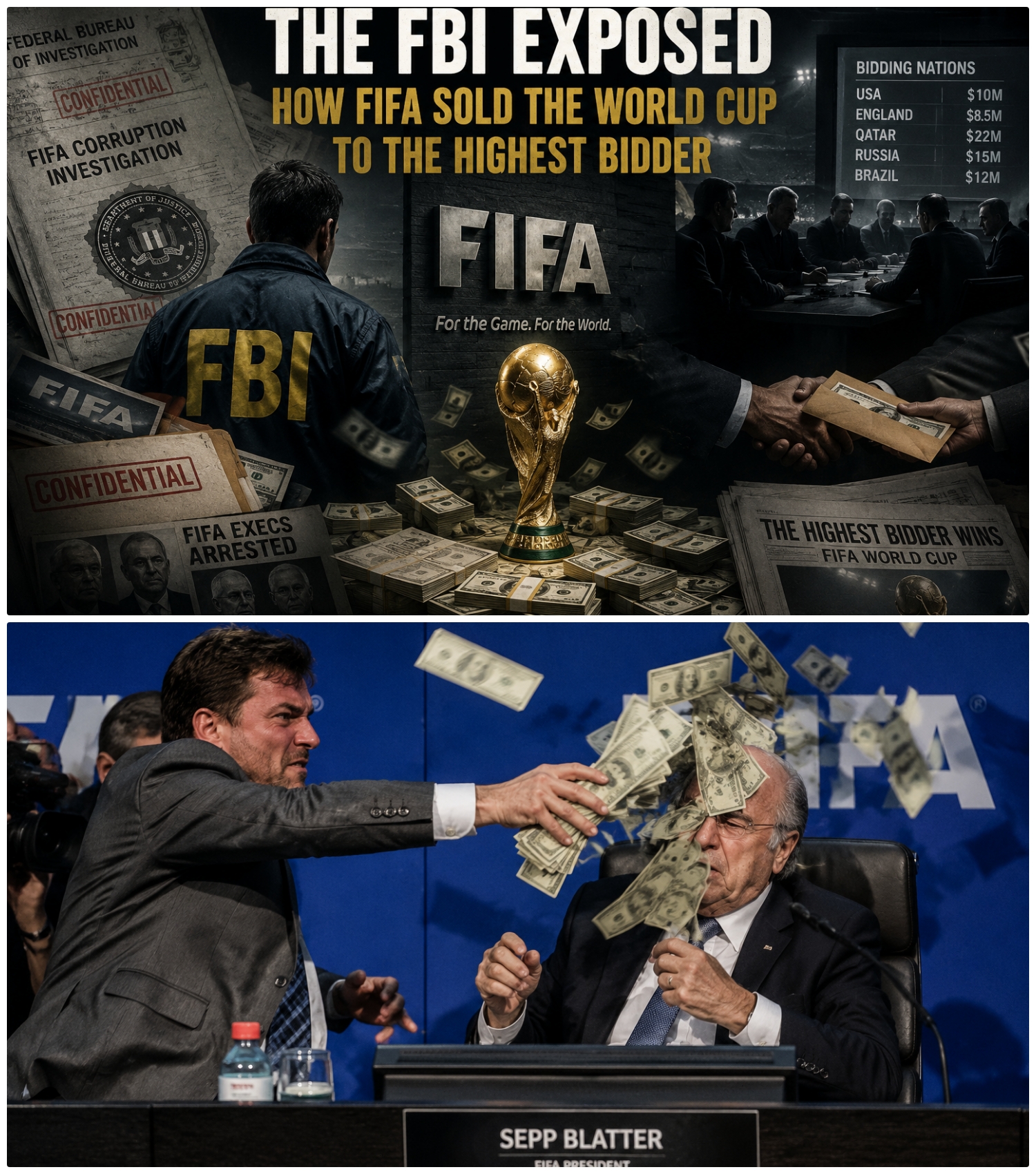
“Selling” World Cup Hosting Rights
Evidence presented during the investigation showed that since the early 1990s, FIFA and its regional confederations had turned the sale of marketing and broadcast rights into a multi-million-dollar racket, often ignoring fair play and transparency. Testimonies revealed that officials cast their votes not based on merit, but on promises of off-the-record financial rewards. (fbi.gov)
A pivotal figure in exposing the scandal was Charles “Chuck” Blazer, former FIFA Executive Committee member for CONCACAF, who became an informant for the FBI. Blazer admitted to participating in bribery schemes but later cooperated with investigators, providing key evidence regarding illicit payments linked to multiple World Cups, including the 1998 and 2010 tournaments. (abcnews.go.com)
Blazer confessed to accepting bribes in exchange for supporting certain countries’ bids to host the World Cup, exposing the mechanics of how votes were effectively “bought”. (theguardian.com)
FIFA: A Governing Body Out of Control?
FIFA, the world’s highest soccer authority with 209 member associations, relies heavily on hosting and marketing rights as its primary revenue streams, amounting to billions in income annually. (britannica.com)
The FBI’s findings revealed a system where those entrusted with governance exploited it for personal enrichment, disregarding ethical standards, the interests of smaller nations, and the trust of billions of soccer fans worldwide. (fbi.gov)
During the indictment announcement, former FBI Director James Comey described the scandal as “widespread, systematic corruption,” emphasizing, “Those entrusted to protect the game betrayed it and its fans.” (fbi.gov)
Global Consequences and Legal Fallout
The investigation led to the arrest of seven FIFA officials in Zurich, Switzerland, many of whom were extradited to the U.S. to face trial. Subsequent indictments increased the number of accused individuals to over 40 executives and officials, spanning multiple continents. (fbi.gov)
Among the cases, the FBI highlighted bribes paid by countries to secure hosting votes for the 2010 World Cup in South Africa, including illicit payments exceeding $8.5 million to manipulate voting outcomes. (skysports.com)
While some officials were convicted, others evaded prosecution due to legal complexities or jurisdictional barriers, illustrating the challenges of policing an international organization.
U.S. Authorities Reclaim Stolen Funds
In 2021, U.S. authorities announced the return of approximately $200 million in assets illegally obtained by corrupt FIFA officials, marking one of the most significant recoveries in sports history. (itv.com)
This legal victory not only restored some economic integrity to the sport but sent a powerful message: even global institutions like FIFA are not above the law.
A Stark Warning for Global Soccer
The FBI’s investigation into FIFA exposed more than just financial crimes; it raised fundamental questions about governance and transparency in international sport. In a world where the World Cup symbolizes unity and joy, the revelations forced fans to ask: “Who really decides the fate of these tournaments?” and “How can such corruption be prevented in the future?”
The scandal remains a cautionary tale: prestige, profit, and power can corrupt even the most celebrated institutions, and accountability must follow no matter how global or influential the organization.